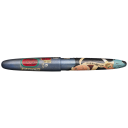
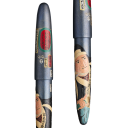
KOP Maki-e Ukiyo-e Tominomori Sukeemon-Masakata LE * Sailor
Brand Sailor
Collection Ukiyo-e
Name Tominomori Sukeemon-Masakata
Lim. Edition #03/30
Type fountain pen
Material ebonite, urushi
Nib 21kt
Filling cartridge, convertor
Length 153mm
Diam 20mm
Weight 30gr


Nib size/color/other

Amount

x

€ 6 300,00

Available

Add to cart

Description:

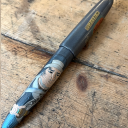
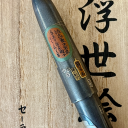
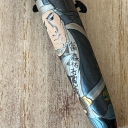
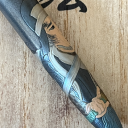
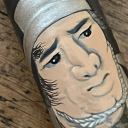
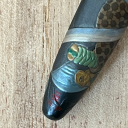
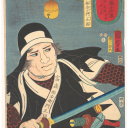
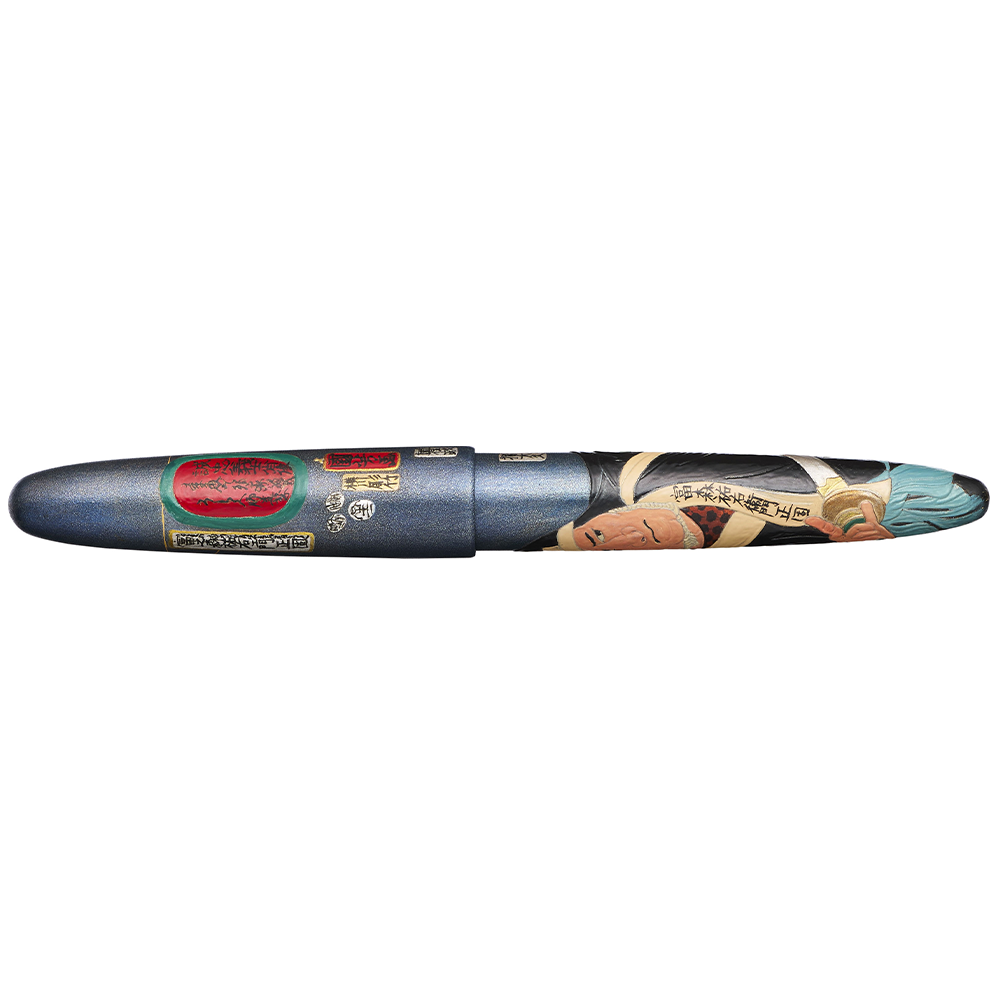
Sailor Pen company is presenting a KOP limited Edition in Maki-e with a picture of Tominomori Sukeemon-Masakata as can be found in the woodblock print of Utagawa Kuniyoshi. It is wonderfully made in Taka Maki-e on a KOP.

Tominomori Sukeemon-Masakata was a key figure in the historical Akō incident, a significant event in Japanese history and culture. As one of the forty-seven rōnin, he participated in the coordinated raid to avenge their master, Asano Naganori.

His role in the famous vendetta, which culminated in the killing of Kira Yoshinaka, cemented his place in the legendary tale. Tominomori is often memorialised in ukiyo-e woodblock prints, particularly in the works of renowned artists like Utagawa Kuniyoshi. These prints, which helped popularise the story, portray him and his fellow samurai in action, capturing the bushidō ideals of loyalty and honour that the incident has come to represent.

The Akō incident, famously known as the story of the forty-seven rōnin is a defining example of adauchi, or vendetta, in Japanese history. This event, which occurred on January 31, 1703, is often cited alongside the Revenge of the Soga Brothers and the Igagoe vendetta as one of the three great tales of vengeance.

The narrative centres on a group of lordless samurai who sought to avenge their master, Asano Naganori, the daimyō of the Akō Domain. Asano was forced to commit seppuku (ritual suicide) after he assaulted Kira Yoshinaka, a powerful ceremonial official, during a public incident at Edo Castle. Following Asano's death and the seizure of his domain, his retainers were cast adrift and became rōnin.

For over a year, the former retainers planned their revenge with meticulous precision. They eventually assassinated Kira, then willingly surrendered to the authorities. This act, while a clear breach of bakufu (shogunate) law, earned widespread public admiration for the rōnin's unyielding loyalty. Faced with this political dilemma, the shogunate chose a nuanced resolution. Rather than executing the men as common criminals, the forty-six surviving rōnin were granted the honourable right to commit seppuku, allowing them to die with dignity.

This true story has become a cultural cornerstone, symbolising the core bushidō values of loyalty, sacrifice, and honour. Its popularity, which grew immensely during the Meiji era, helped to solidify its place in the Japanese national identity and heritage.

Practical info

Enjoy our 24/7 webstore !
Worldwide shipping!
Shipping fee.
 

All practical info

VISIT OUR BOUTIQUE !
Koning Albertstraat 72b
3290 Diest - Belgium
Opening hours
mon: closed
tue-wed: by appointment
thu-fri-sat : 10 - 17h
 

Contact us
Catherine Van Hove
+32 486 80 95 96
catherine@sakuragallery.com

Subscribe

Subscribe to our newsletter


Secured payment: